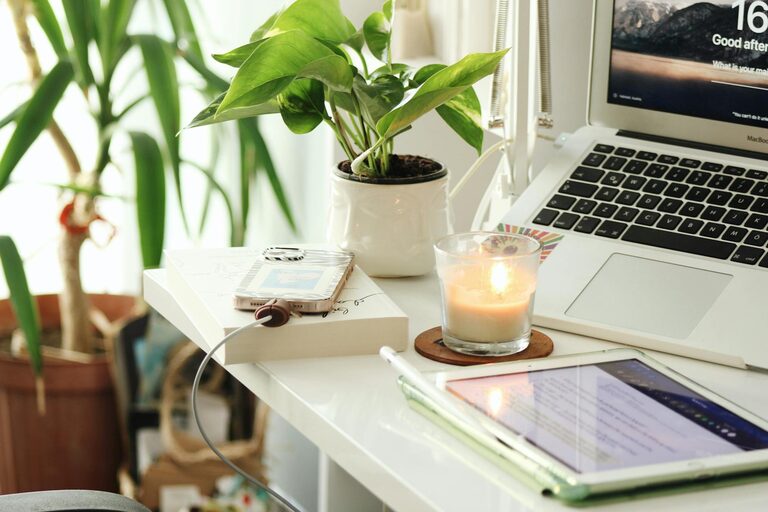
Creating a home office that feels both cozy and productive can significantly impact your work quality and overall well-being. Whether you’re working remotely full-time, managing side projects, or occasionally working from home, having a dedicated space tailored to your needs helps separate work life from personal life and increases efficiency.
In this post, we’ll share practical tips and ideas to help you design a home office that welcomes creativity, reduces distractions, and keeps you comfortable throughout your workday.
Choose the Right Location
The first step is selecting a spot for your home office that suits your work style. Ideally, the space should be quiet, well-lit, and somewhat separate from high-traffic areas.
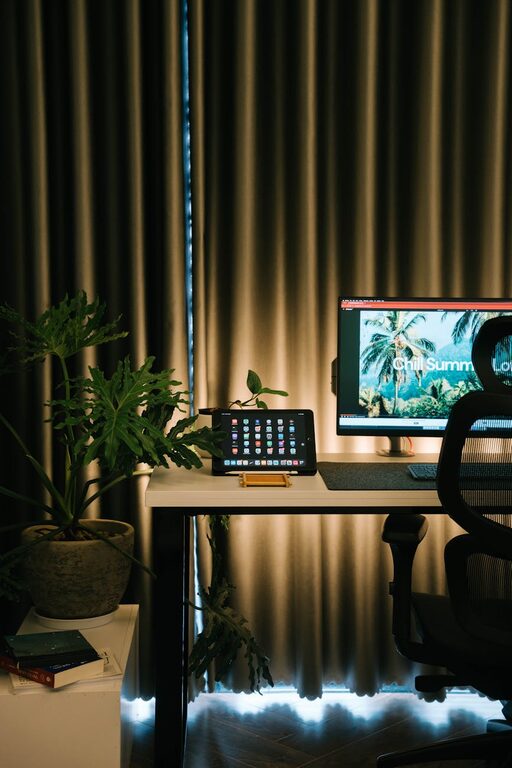
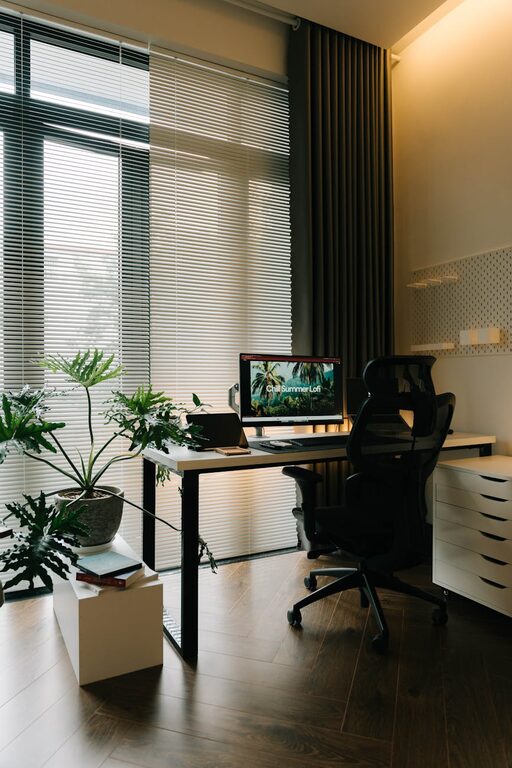
– Consider natural light: Position your desk near a window if possible. Natural light can boost your mood and reduce eye strain.
– Avoid distractions: If you have kids or pets, pick a room or corner that limits interruptions.
– Measure your space: Ensure there’s enough room for your desk, chair, and other essentials without feeling cramped.
If dedicated rooms aren’t available, a corner in a living room or bedroom can also work with the right setup.
Invest in Comfortable and Functional Furniture
Comfort is key when you spend long hours working. Choosing the right furniture helps maintain good posture and energy.
Desk and Chair
– Ergonomic chair: Look for adjustable chairs that support your lower back, promote good posture, and have comfortable cushioning.
– Desk height: A desk at the correct height prevents strain. If possible, choose one with adjustable height or consider a sit-stand desk to change positions throughout the day.
– Surface space: Your desk should be large enough to accommodate your computer, notebooks, and any tools you need regularly.
Storage Solutions
Organized workspaces reduce stress and improve focus.
– Use shelves, filing cabinets, or drawers to keep papers and supplies out of sight but easy to access.
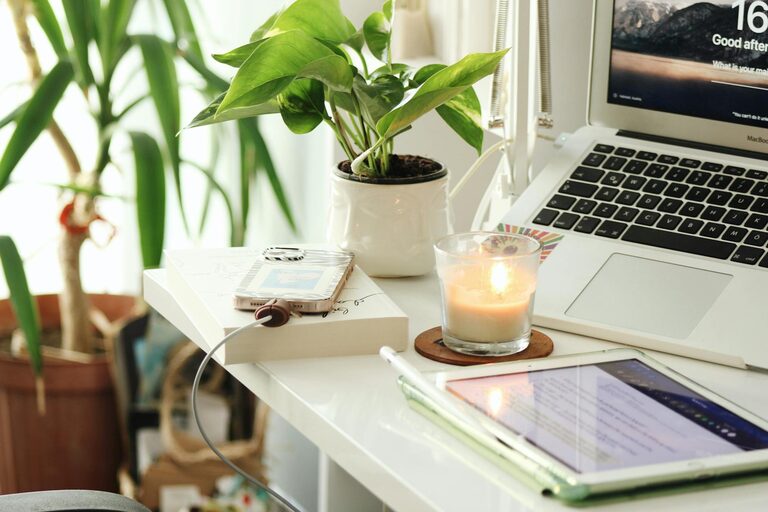
– Desk organizers can help keep pens, sticky notes, and chargers tidy.
– Consider multi-functional furniture with built-in storage if space is tight.
Optimize Lighting
Good lighting is essential for preventing eye fatigue and creating a pleasant work environment.
– Layer your lighting: Combine natural light, overhead lighting, and task lights.
– Task lamp: A desk lamp with adjustable brightness allows you to focus light where needed.
– Avoid glare: Position screens perpendicular to windows to reduce reflections.
Warm light tones often create a cozy ambiance, while daylight bulbs can keep you alert.
Personalize Your Space
Adding personal touches makes your home office inviting and motivating.
– Artwork and photos: Hang inspiring prints or pictures of loved ones.
– Plants: Indoor plants improve air quality and add a refreshing touch of nature.
– Decor: Use cushions, rugs, or curtains in colors that calm you or boost your energy.
Be careful to avoid clutter as it can distract you and reduce your workspace efficiency.
Manage Technology and Cables
A clean tech setup helps maintain focus and prevents frustration.
– Reliable internet: Ensure your Wi-Fi is strong or consider an Ethernet connection.
– Cable management: Use clips, sleeves, or boxes to keep cords organized and out of the way.
– Tech placement: Arrange your devices ergonomically, keeping frequently used gadgets within reach.
Regularly maintain your devices and update software to keep your workspace running smoothly.
Set Boundaries and Routines
Creating a cozy and productive home office isn’t just about physical space—it also involves mindset and habits.
– Define work hours: Set clear start and end times to separate work from personal life.
– Use your space only for work: Avoid doing leisure activities in your office to help your brain associate the space with productivity.
– Breaks and movement: Stand up, stretch, or walk around regularly to stay refreshed.
Having a routine cues your mind for focus and signals when it’s time to relax.
Keep It Clean and Clutter-Free
A cluttered desk can lead to a cluttered mind.
– Make it a habit to tidy your workspace at the end of each day.
– Regularly purge unnecessary papers and items.
– Use digital tools to reduce paper notes—apps for task management and note-taking can keep your desk clearer.
Consider Acoustics and Privacy
Noise distractions can reduce productivity.
– Use headphones or white noise machines to block out household sounds.
– Add rugs, curtains, or wall hangings to absorb sound and improve acoustics.
– If possible, choose a room with a door you can close for privacy during calls or focused work.
—
Designing a home office that is both cozy and productive takes some thought and organization, but the benefits to your work comfort and efficiency are well worth the effort. By selecting the right location, investing in quality furniture, optimizing lighting, and personalizing your space, you’ll create an environment where you can focus, feel comfortable, and enjoy your workday. Remember to set boundaries and keep your workspace tidy to maintain a productive routine.
Start small and adjust your setup as you discover what works best for you. Happy decorating and productive working!