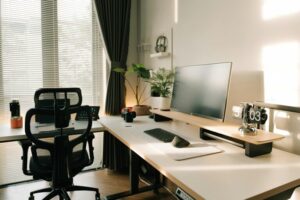
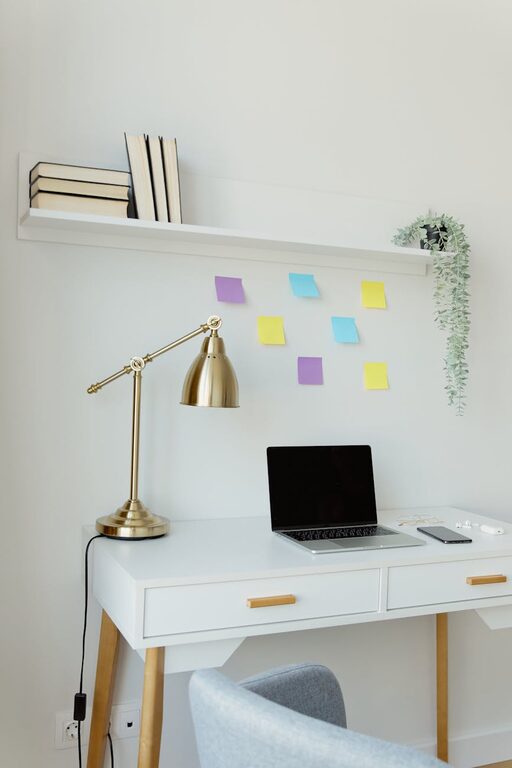
Creating a comfortable and efficient home office space can make a big difference in your daily productivity and overall work experience. Whether you work remotely full-time or occasionally bring work home, having an organized workspace helps reduce stress and improves focus. Here are some practical tips to help you design an organized and productive home office.
Choose the Right Location
Finding the perfect spot in your home for your office is the first step. Ideally, select a quiet area with minimal distractions and enough natural light. A dedicated space helps your brain associate the area with work, making it easier to switch into “work mode.” If space is limited, consider using room dividers or positioning your desk to create a distinct workspace.
Invest in an Ergonomic Desk and Chair
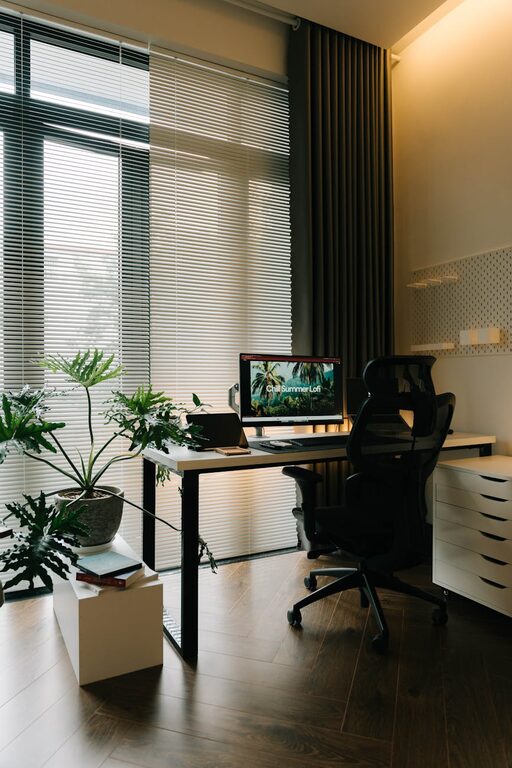
Comfort plays a vital role in productivity. Choose a desk that fits your space and provides enough room for your computer, paperwork, and accessories. Pair it with an ergonomic chair that supports your back and encourages good posture. Proper seating reduces fatigue and helps you maintain focus for longer periods.
Declutter Regularly
A cluttered workspace can lead to distractions and overwhelm. Keep only essential items on your desk and store everything else in drawers, shelves, or organizers. Scheduling a weekly clean-up can prevent clutter from building up. Consider using cable organizers to hide cords and keep your desk tidy.
Use Smart Storage Solutions
Organizing your office supplies, documents, and devices is easier with the right storage. Use labeled bins, file folders, and shelves to keep items accessible and orderly. Vertical storage options, like wall-mounted shelves, save floor space and keep frequently used items within reach.
Optimize Lighting
Good lighting reduces eye strain and boosts mood. Maximize natural light by positioning your desk near windows. If natural light isn’t sufficient or consistent, invest in adjustable LED desk lamps with daylight settings. Avoid glare on computer screens by positioning your lighting thoughtfully.
Personalize Your Space
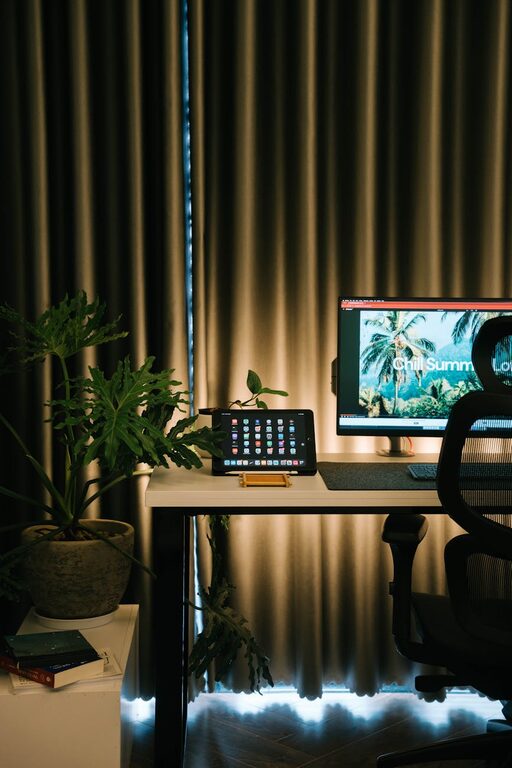
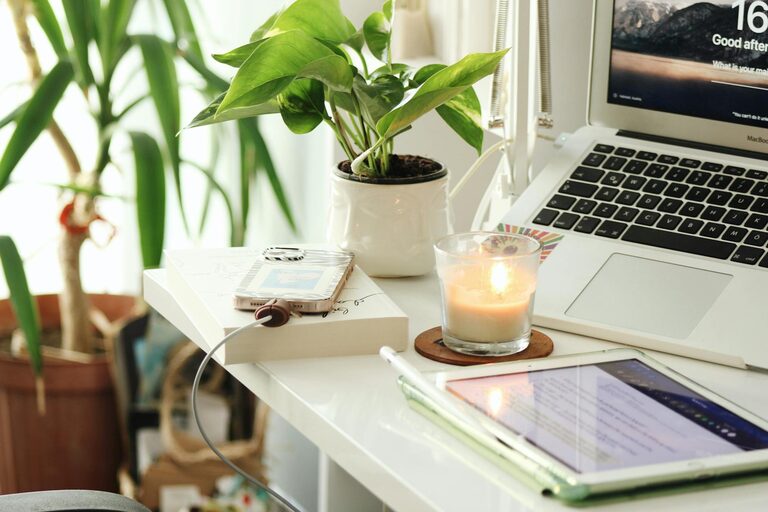
Adding personal touches makes your office inviting and helps maintain motivation. Use items like plants, artwork, or photos that inspire you without overcrowding your desk. Plants not only improve air quality but also create a calming environment to reduce stress.
Minimize Digital Distractions
In the home office, it’s easy to get distracted by personal devices or notifications. Keep only work-related applications open and consider using productivity tools or apps to block distracting websites during work hours. Turning off non-essential phone notifications can help you stay focused.
Establish a Routine
Design a daily schedule with set start and end times for your workday. Structuring your day helps create boundaries and improves time management. Take regular breaks, stretch, and step away from your desk to avoid burnout and maintain higher productivity levels.
Keep Essential Tools Within Reach
Organize frequently used tools—such as pens, notebooks, chargers, and headphones—near your desk to minimize interruptions. A desk organizer or small drawer unit can help you store these essentials neatly while making them easily accessible.
Use a Whiteboard or Planner
Keeping a visible to-do list or calendar helps track tasks and deadlines. Use a whiteboard, corkboard, or planner to organize your daily and weekly goals. Visual reminders reduce stress and provide a sense of accomplishment as you check off completed tasks.
Maintain Good Air Quality and Temperature
A comfortable environment improves concentration. Ensure your workspace has good airflow and adjust the temperature to your preference. If needed, use fans, air purifiers, or a small heater to maintain comfort throughout the year.
Limit Noise Distractions
Noise can be a major productivity killer. Use noise-canceling headphones or play background music to mask disruptive sounds. If possible, inform family members about your work schedule to minimize interruptions during important tasks or meetings.
Final Thoughts
Creating a productive home office doesn’t require a large budget or complicated setup. With thoughtful organization, ergonomic furniture, and a personalized touch, you can design a workspace that supports your work style and helps you stay focused and efficient. Take time to adjust your setup as you discover what works best for you, and enjoy the benefits of a well-organized home office.